

You line up your drill, pull the trigger, and somehow the hole still ends up crooked. Right around the time you hear about tools, it clicks that the problem isn’t always the drill itself. It’s the way you’re using it. And if you don’t fix it now, those small mistakes will follow you into every project. So, do you still want to waste your time, effort, wood, and probably money? I hope you don’t. Here’s a list of mistakes when drilling and how to improve them.
You’re Not Starting Straight
The biggest mistake happens in the first second. If your drill bit isn’t perfectly straight when it touches the surface, the hole is already off. Wood, drywall, and even metal will guide the bit once it starts spinning. If you begin at an angle, the material pulls it deeper in that direction. There’s no fixing it halfway through. That’s why setup matters more than speed. Take a moment to line things up properly before drilling. Use your eye level or a guide to check alignment. It might feel slow at first, but it saves time later. A clean start leads to a clean finish. Skip it, and you’re already playing catch-up.
You’re Using Too Much Pressure
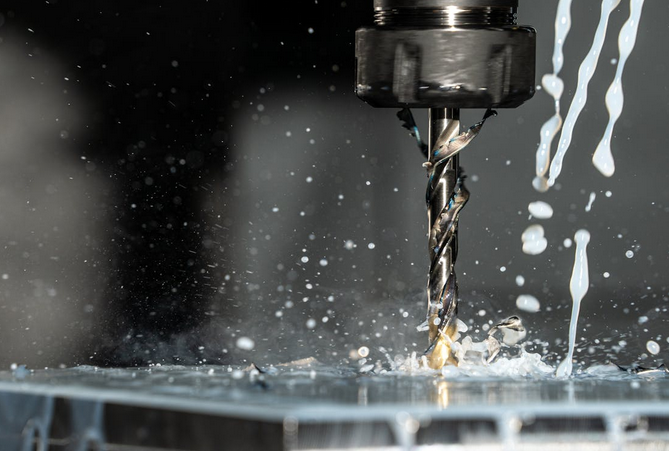
Here’s a classic mistake. People push the drill like they’re forcing a nail into concrete. That’s not how drilling works. The bit is designed to cut through material, not be shoved into it. When you push too hard, you lose control. The bit can slip or dig in unevenly. That’s how you end up with messy holes. Instead, apply steady and light pressure. Let the drill do the work for you. If it feels like you have to force it, something’s wrong. Check your bit or your setup before continuing.
Your Drill Speed Is All Over the Place
Speed control is one of those things people ignore. Then they wonder why the result looks rough. Too fast, and you burn the surface or tear the material. Too slow, and the bit struggles and drags. Each material responds differently. Wood is forgiving. Metal needs patience and control. Pick a speed and stick with it.
You’re Not Using a Guide When You Should
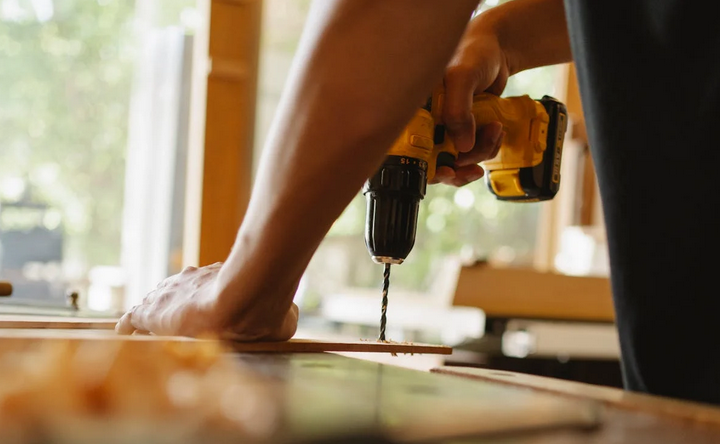
Freehand drilling works for simple jobs. But once accuracy matters, it becomes risky. Even a small shift in your hand can change the angle. That’s all it takes to ruin alignment. A drill guide keeps everything straight. It gives you consistency without second-guessing yourself. This is especially helpful for repeated holes or tight spots. You get the same result every time.
You’re Ignoring Bit Condition and Setup
A dull bit makes everything harder. It doesn’t cut cleanly, and it forces you to push harder. That leads to slipping, overheating, and uneven holes. It’s a chain reaction of problems. Check your bits regularly. If they look worn out, replace them. It’s a small fix that saves big headaches. Also, make sure your bit is secured tightly. A loose bit will wobble and throw off your accuracy. Good tools only work if they’re in good shape. Keep them sharp, and your work will show it.
Fixing your drilling technique isn’t complicated. It’s about getting the basics right every time. Start straight, stay controlled, and use the right support when needed. Do that, and your results will improve immediately.